February 20, 2026
A retaining wall is a crucial element in landscape architecture, designed to prevent erosion and land damage. These structures serve as barriers that stabilize soil, especially in sloped areas at risk of soil displacement. By preventing soil erosion, retaining walls protect properties from potential damage caused by shifting land and water runoff. These walls also preserve the aesthetic and functional integrity of landscapes, providing both practical and visual benefits. The importance of retaining walls extends beyond erosion control, influencing property value and structural support.
What Are Retaining Walls
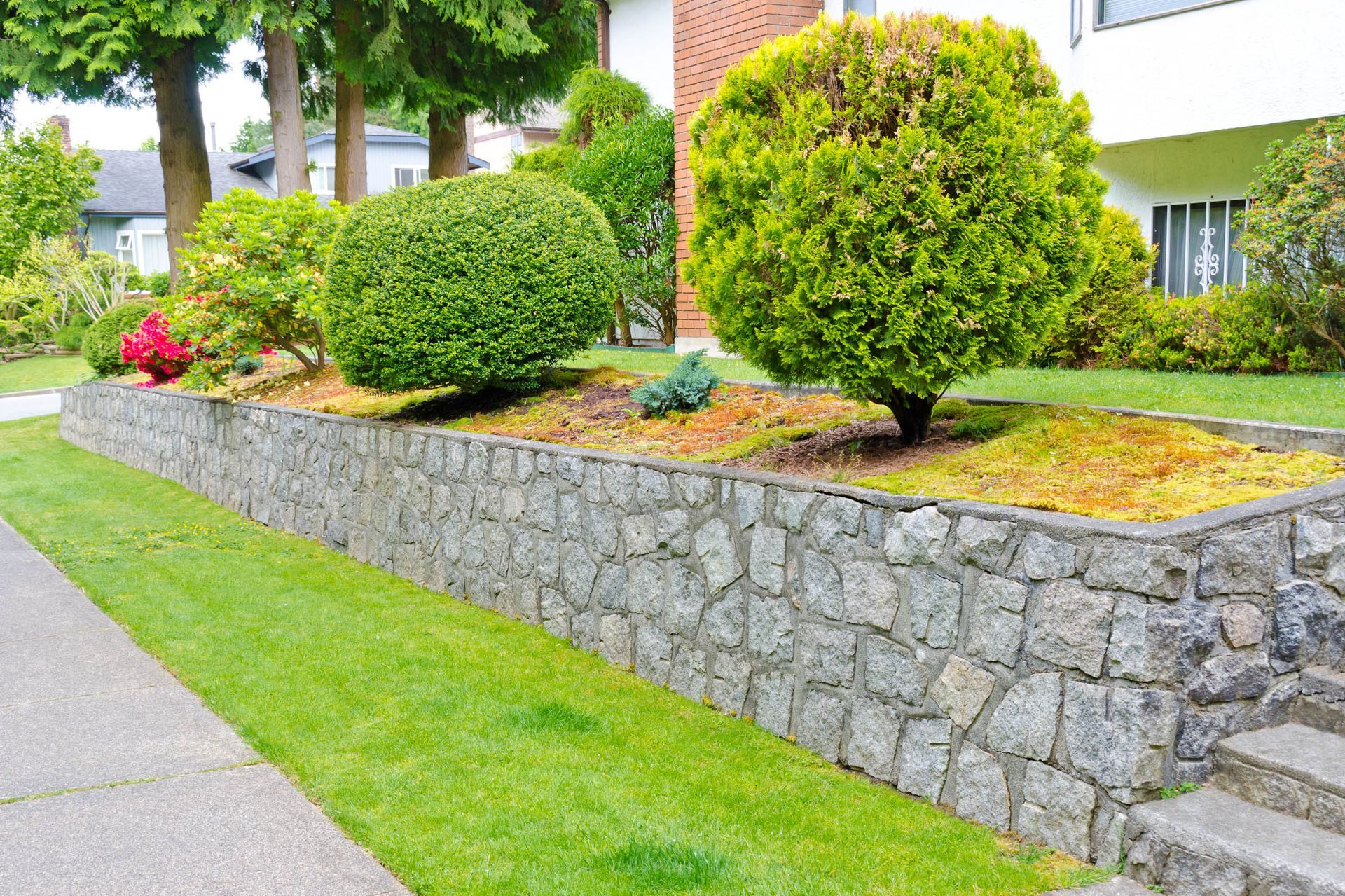
Retaining walls are structures designed to restrain soil that might otherwise move due to gravity and other forces. These walls are essential in preventing erosion and maintaining landscape stability by keeping soil in place on slopes and embankments. By controlling erosion, a retaining wall protects infrastructure and prevents potential damage to property. They are often used in residential settings to create usable flat surfaces on sloped terrain, as well as in commercial and public spaces for similar purposes. Their primary function in erosion control makes them invaluable in both urban and rural landscapes.
There are various types of retaining walls, each employing different materials and designs suited for specific needs and conditions. Gravity walls rely on their own weight to hold back soil, typically constructed from heavy materials like concrete or stone. Cantilevered walls use a cantilevered footing structure to provide stability, often reinforced by steel or concrete. Anchored walls use additional anchors for stability in situations where the wall needs to withstand greater loads. Modular block walls, made from individual blocks, are popular for their ease of installation and ability to blend with existing landscapes.
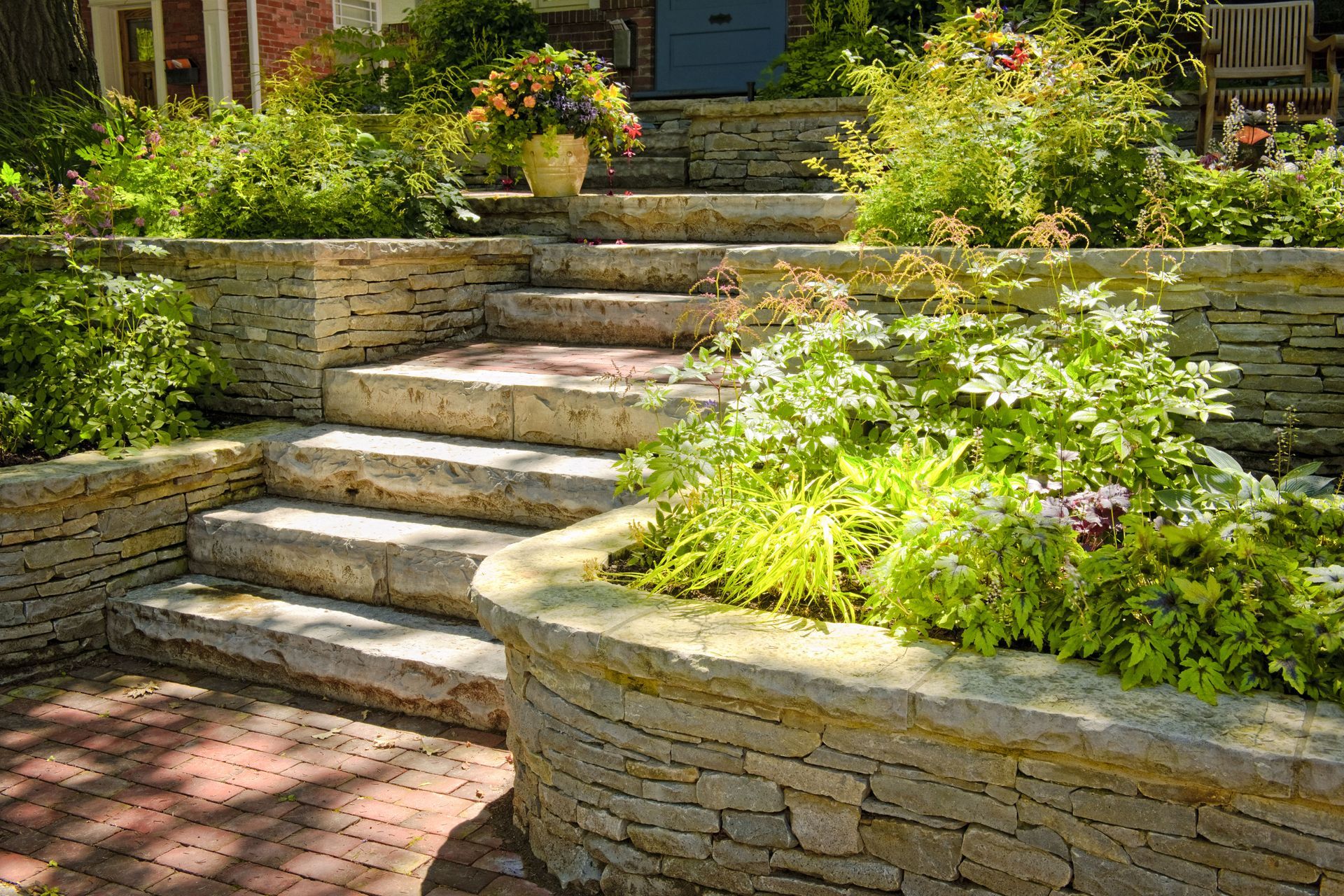
Retaining walls offer several ancillary benefits beyond erosion control by enhancing visual appeal as garden focal points, providing essential structural support for walkways and driveways, and increasing property value through improved curb appeal and usable land area. Despite these advantages, misconceptions persist, such as the belief that walls are only necessary when erosion is visible or that they are universally suitable for all slopes. In reality, retaining walls are most effective when designed for specific site conditions, making preventive installation a vital part of safeguarding property investments and making informed landscaping decisions.
What Are the Causes and Effects of Erosion
Erosion is a natural process where soil and rock material are gradually worn away by elements such as wind, water, and gravity. Over time, this results in the gradual degradation of slopes and landscapes, potentially leading to land instability. Water erosion occurs when surface runoff displaces soil during heavy rains, while wind can erode loose soil in arid regions. Gravity contributes to erosion through landslides and slumping, particularly on steep terrains. These natural processes are integral to landscape formation but can lead to significant land degradation if left unchecked.
Human activities like construction, deforestation, and agriculture exacerbate natural erosion processes and lead to accelerated land degradation. Construction removes vegetation and disrupts soil structure, increasing susceptibility to water and wind erosion. Deforestation strips the land of trees whose roots offer natural soil stabilization, further contributing to erosion. Agricultural practices, involving the tilling of land, expose soil to the elements, worsening erosion rates. Combined, these activities hasten the loss of topsoil, a critical component for sustaining plant life and ecosystem health.
Erosion has detrimental effects on the environment, impacting ecosystems, water quality, and biodiversity. It results in the loss of fertile soil, reducing land productivity and affecting plant growth, which can have cascading effects on fauna dependent on those plants. In aquatic systems, erosion increases sedimentation, affecting water quality and damaging habitats for fish and other aquatic organisms. Biodiversity suffers as the habitat quality declines, threatening species that rely on stable ecosystems. Addressing erosion is thus vital for preserving healthy ecosystems and sustaining the environment.
How Do Walls Mitigate Erosion
Retaining walls mitigate erosion by creating physical barriers that stabilize soil and redirect water flow. By holding soil in place, particularly on slopes, these walls reduce the likelihood of displacement caused by gravity. Retaining walls may incorporate drainage features to manage water flow, directing it away from the soil to prevent erosion due to water saturation. According to This Old House, a single retaining wall measuring four feet high and 15 feet long has the capacity to support up to 20 tons of saturated soil. This illustrates the immense capability of retaining walls to manage heavy soil loads and prevent erosion-related damage.
Effective erosion mitigation through retaining walls requires careful design considerations for functionality. Drainage is a critical component, preventing water buildup behind the wall, which can compromise its stability. The foundation depth of the wall is another essential factor, providing anchorage and stability to support the soil load. Material selection also influences a wall's effectiveness, with choices varying based on soil type, slope gradient, and environmental conditions. A well-designed retaining wall incorporates these elements to maximize erosion control and landscape stability.
While retaining walls are effective erosion control tools, they have limitations and may not be suitable for all scenarios. In areas with particularly unstable soil or significant groundwater presence, alternative solutions might offer better long-term results. Retaining walls also require proper maintenance to remain effective, as neglect can lead to structural failure. In cases where walls are inappropriately sized or constructed, they may not withstand the forces they were designed to hold back. Understanding these limitations underscores the importance of careful planning and professional consultation when using retaining walls.
How to Maintain Your Wall
Routine inspections of retaining walls are essential to promoting their integrity and functionality over time. Regular inspections can identify early signs of wear, such as cracks or soil settlement, allowing for timely intervention. By examining drainage systems, property owners can guarantee water is properly managed and not compromising the wall's structure. Inspections should also check for vegetative growth that might affect the wall's stability or drainage efficacy. Consistent monitoring and maintenance are key to extending the life of a retaining wall and preventing severe damage.
Identifying early signs of retaining wall failure can prevent severe damage and costly repairs. Common indicators include visible cracks, bulging, or tilting, which suggest structural instability. Water seepage or buildup behind the wall can signal inadequate drainage, necessitating prompt attention to prevent erosion or collapse. Soil movement around the wall's base or top may indicate shifting, requiring investigation and possible reinforcement. Recognizing these warning signs early allows for timely intervention and maintenance to safeguard the wall's integrity.
Advancements in materials and construction techniques offer several enhancements that can improve the durability and performance of retaining walls. The use of reinforced concrete and geogrid materials provides additional strength and longevity in demanding conditions. Implementing advanced drainage systems, such as weep holes or permeable aggregates, can prevent water-related issues and increase wall lifespan. Protective coatings and sealants offer resistance to weathering and environmental elements, preserving the wall's condition. These enhancements contribute to longer-lasting and more effective retaining wall solutions.
Retaining walls play a significant role in preventing erosion and protecting property from damage, showcasing their importance in landscape management. For homeowners and land developers, incorporating a retaining wall into landscape design offers both practical and aesthetic benefits, preserving property value and environmental integrity. As the understanding and technology surrounding retaining walls advance, their role in sustainable development will only continue to grow. Schedule your appointment with J & S Hardscape today to discuss your landscaping needs and begin your retaining wall transformation.