June 22, 2026
Landscaping is about much more than just planting colorful flowers and keeping the lawn freshly mowed. For homeowners who deal with uneven terrain, sloped yards, or soil displacement, creating a beautiful outdoor space requires structural solutions that look just as good as they perform. If your property suffers from erosion after a heavy rain or has steep slopes that make portions of your yard completely unusable, you're likely looking for a permanent fix.
When you invest in your home's exterior, you want to ensure that every addition serves a clear purpose while elevating your overall curb appeal. Beyond the immediate visual upgrade, these structural features provide incredible long-term financial benefits. According to Forbes, homes featuring a retaining wall can see a property value increase of 10-15%. This means that tackling your yard’s structural issues isn't just a maintenance task but a smart investment that pays dividends when it comes time to sell.
1. Elevating Front Lawns With Tiered Block Terraces
Steep front yards can be incredibly difficult to maintain and often look washed out or neglected over time. Implementing a tiered system of blocks for your retaining wall is an exceptional way to break up a dramatic slope into manageable, visually striking levels. Instead of constructing one massive, imposing barrier that dominates the front of your home, building two or three shorter, stepped levels creates a much softer and more welcoming appearance.
This approach allows you to introduce different layers of plant life, from cascading groundcovers on the top level to vibrant perennials and small shrubs on the lower tiers. The clean, crisp lines of manufactured concrete blocks offer a contemporary look that complements modern architectural styles beautifully. Each tier acts as a natural frame for your landscaping, drawing the eye upward toward your entryway and making your entire front yard look vastly more spacious and organized.
2. Framing Entry Steps With Natural Stone Borders
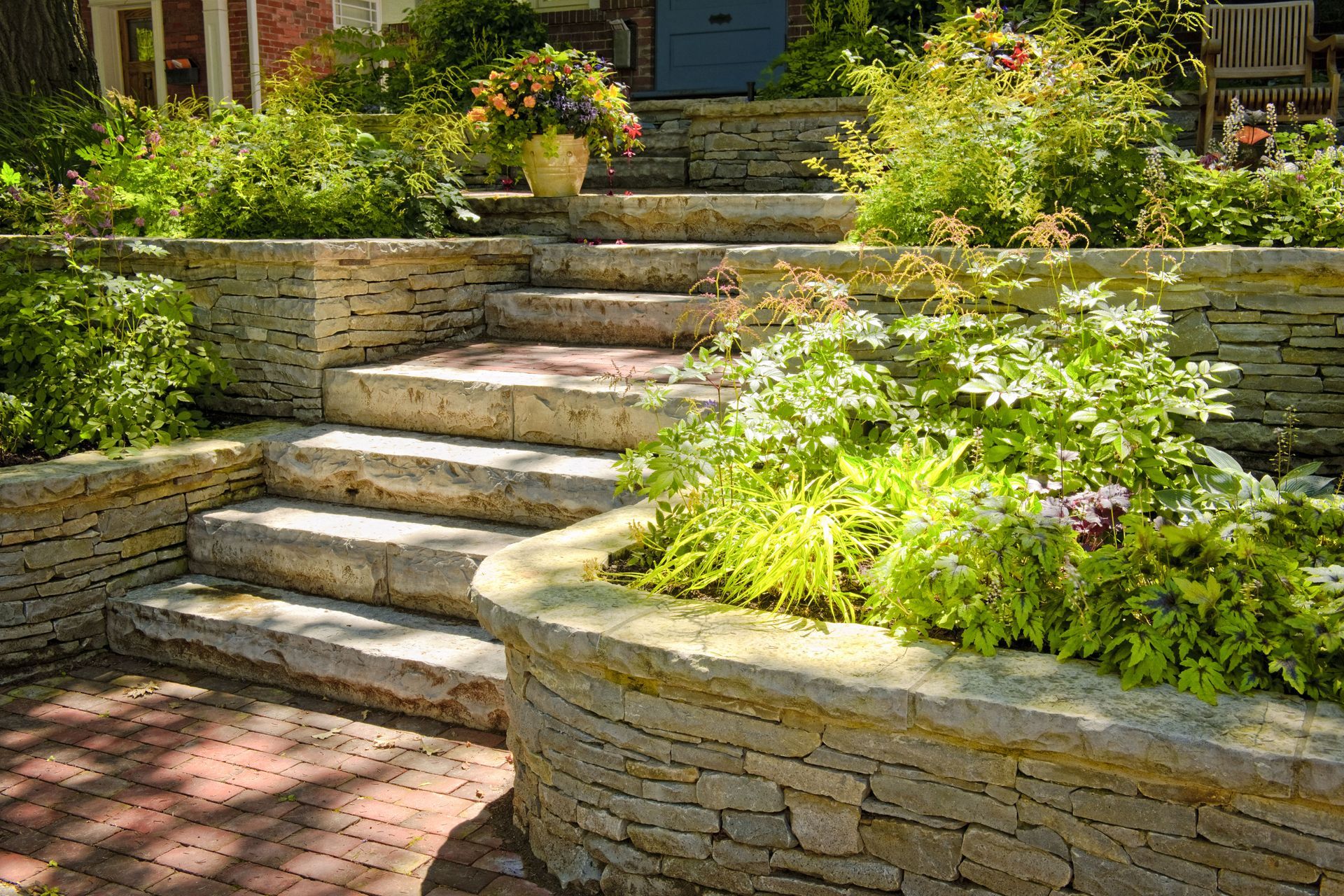
If your driveway or front walkway cuts through a hill to reach your front door, you have a prime opportunity to build a stunning focal point. Flanking your outdoor steps with natural stone borders adds an immediate sense of grandeur and permanence to your entrance. Using heavy, rugged pieces of stone like limestone or flagstone provides an organic, timeless texture that blends perfectly with the surrounding earth.
These borders of a retaining wall hold back the soil on either side of your walkway, keeping dirt and mulch from washing down onto your pavement during heavy summer storms. By integrating built-in low-voltage LED lighting directly into the stone joints, you can illuminate the path safely while casting a warm, dramatic glow across the masonry at night. This integration of raw material and functional design ensures your home leaves an unforgettable first impression on anyone who pulls up to the curb.
3. Creating Seating Accents With Smooth Paver Ledges
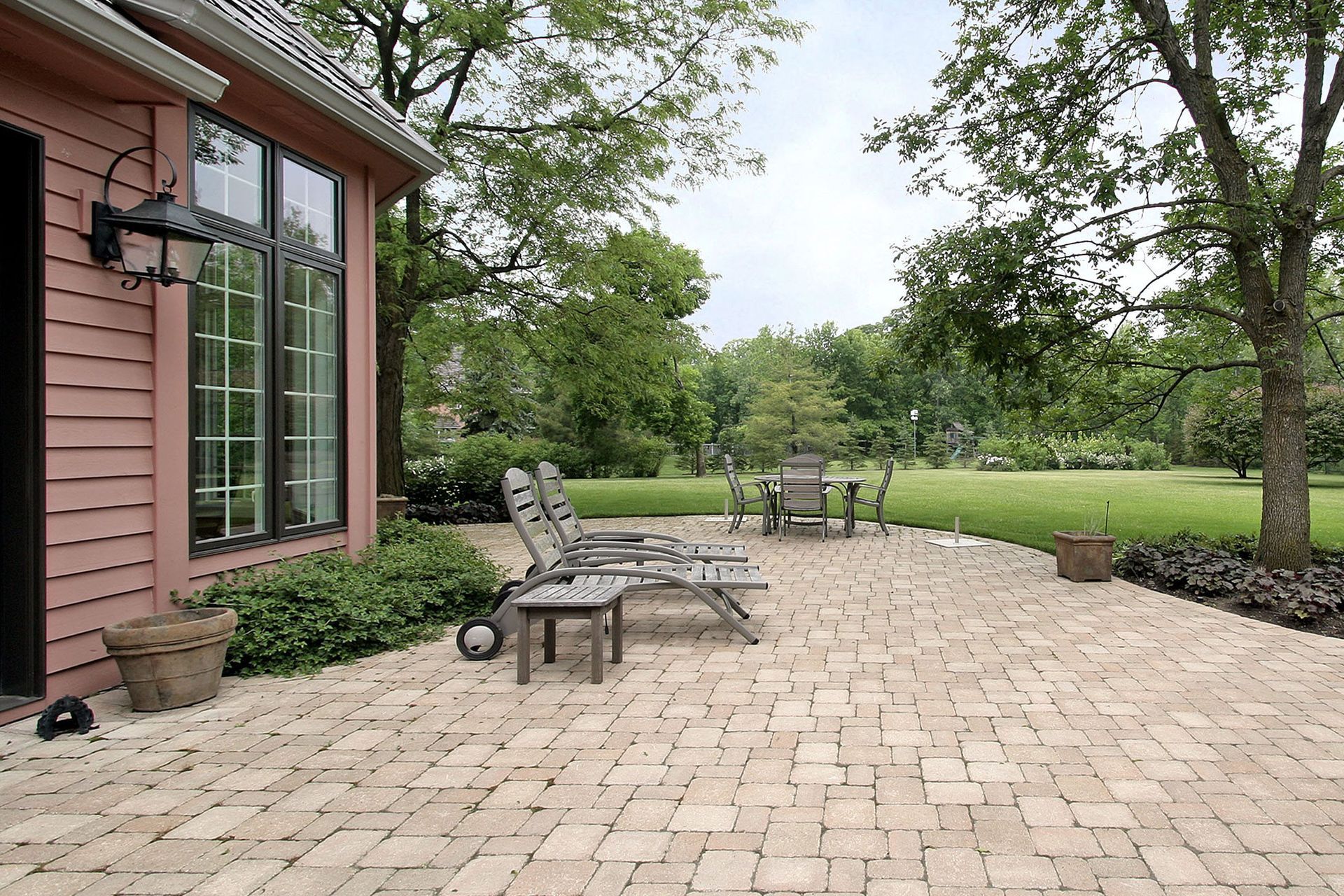
Hardscaping elements don't have to serve only one purpose; they can easily pull double duty in an outdoor living space. When you need to level out an area near a patio or an outdoor kitchen, building a smooth paver barrier with a wide, flat capstone creates a wonderful, built-in bench for guests. This layout eliminates the need for bulky patio furniture and keeps your outdoor entertaining areas feeling open, clean, and uncluttered.
By selecting pavers that match or subtly contrast with your existing patio floor, you create a cohesive, custom-designed look that feels like a natural extension of your home. The smooth, flat top surfaces provide a comfortable place for people to sit during a weekend barbecue or a spot to place decorative potted plants and lanterns. This retaining wall technique seamlessly blends structural soil retention with practical hospitality, making your backyard both highly functional and incredibly stylish.
4. Integrating Plant Beds With Low Brick Barriers
For homes with traditional or colonial architecture, classic clay brick or tumbled brick-style pavers offer a nostalgic charm that never goes out of style. Building a low brick barrier around your foundational planting beds helps define the perimeter of your home while preventing soil erosion near your foundation. These low-profile structures keep your mulch firmly in place, stopping heavy rains from scattering debris across your grass or walkways.
The deep red, brown, or burnt orange tones of traditional brickwork contrast beautifully with the lush greens of boxwoods, hostas, and bright annual flowers. Because these barriers are kept relatively low to the ground, they don't block the view of your home’s architecture but instead act as a neat, polished base layer that ties your entire front yard together. It's a simple, elegant way to establish clean borders that make your property look meticulously maintained throughout the year.
5. Defining Driveway Borders With Rugged Boulder Walls
Large properties and rustic homes often demand hardscaping features that match their grand scale and natural surroundings. Utilizing massive, rugged boulders to line the edge of a winding or sloped driveway is an excellent way to handle major grade changes while embracing a naturalistic aesthetic. Boulders can handle immense soil pressure and offer a heavy-duty solution for areas that experience significant water runoff or shifting ground.
As a driver approaches your home, a well-constructed boulder wall guides the eye along the driveway, creating a dramatic and scenic entrance. You can plant ornamental grasses, creeping phlox, or trailing ivy in the natural gaps between the massive stones, allowing nature to soften the hard edges over time. This design choice gives your property an established, historic feel, as if the stones have been part of the landscape for generations, while successfully keeping your driveway clear of mud and debris.
6. Maximizing Back Yards With Sunken Patio Surrounds
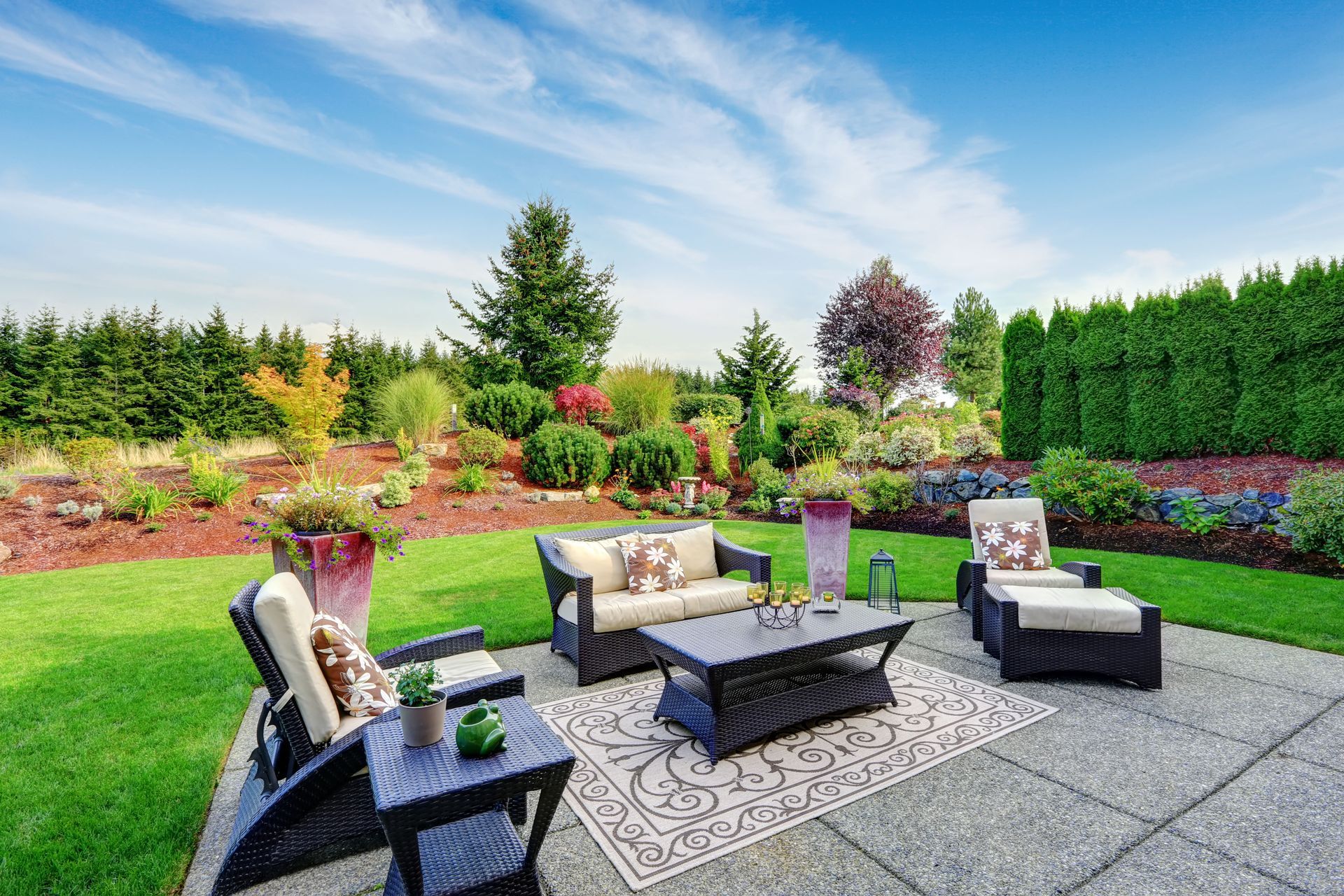
When a backyard slopes sharply upward toward the rear property line, it can leave you feeling claustrophobic and limit the amount of usable flat space for relaxation. By excavating into the hillside and installing a curved, wrap-around retaining wall, you can carve out a stunning, sunken patio that feels like a private courtyard escape. The structure holds back the elevated earth, opening up valuable square footage for a fire pit, dining set, or outdoor lounge area.
The enclosing nature of a sunken surround creates a cozy, intimate atmosphere that is perfect for gathering with family and friends on crisp evenings. The vertical face of the masonry also provides an excellent backdrop for built-in water features, such as a weeping wall or a small waterfall, which adds the soothing sound of moving water to your private oasis. This clever use of excavation turns a problematic, unusable slope into the absolute highlight of your entire backyard design.
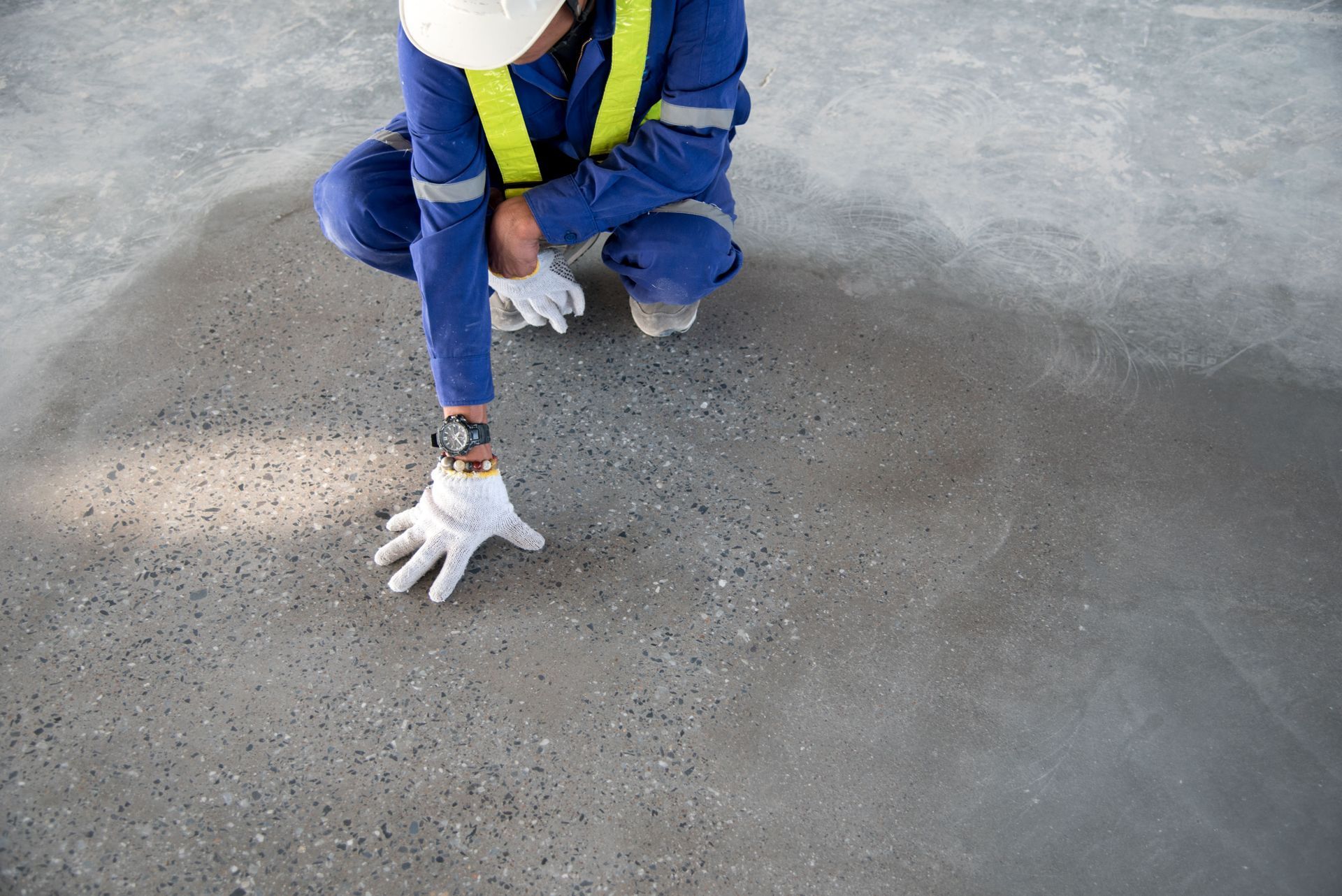
No matter which style or material you choose for your property, the ultimate success of your project rests on proper engineering, drainage, and installation. A retaining wall must be built from the ground up with a solid, compacted gravel foundation, proper backfill, and dedicated drainage pipes to relieve the immense hydrostatic pressure that builds up behind it when the ground freezes or fills with rainwater.
Working with an experienced team ensures that your new landscape feature isn't only a visual masterpiece but also a durable structure built to withstand the elements for decades. Investing in professional craftsmanship protects your home's structural integrity, elevates your daily outdoor living experience, and ensures that your curb appeal remains flawless year after year. If you're ready to transform your sloped yard into a beautifully structured masterpiece, contact J & S Hardscape today for a free, next-day quote and let us bring your outdoor dreams to life.