September 22, 2026
Transforming your backyard into a stunning, functional outdoor living space is one of the most rewarding investments you can make as a homeowner. A beautifully designed patio serves as the ultimate gathering place for summer barbecues, quiet morning coffees, and cozy autumn evenings around a fire pit. However, when it comes to actually building this dream space, homeowners are often faced with a critical decision: attempt a DIY project to save a few dollars upfront or hire experts to handle the heavy lifting?
While DIY home improvement television shows make hardscaping look like a simple weekend endeavor, the reality is far more complex. Creating an outdoor surface that can withstand the test of time, weather, and heavy foot traffic requires deep structural knowledge, heavy-duty equipment, and years of hands-on experience. This is why partnering with professional patio contractors is the absolute best choice for homeowners who want their investment to stand strong for decades. We have seen firsthand the incredible difference that professional expertise makes. Here is an in-depth look at why leaving your hardscaping project to the professionals guarantees superior, long-lasting results.
Benefiting From Expert Site Preparation and Grading
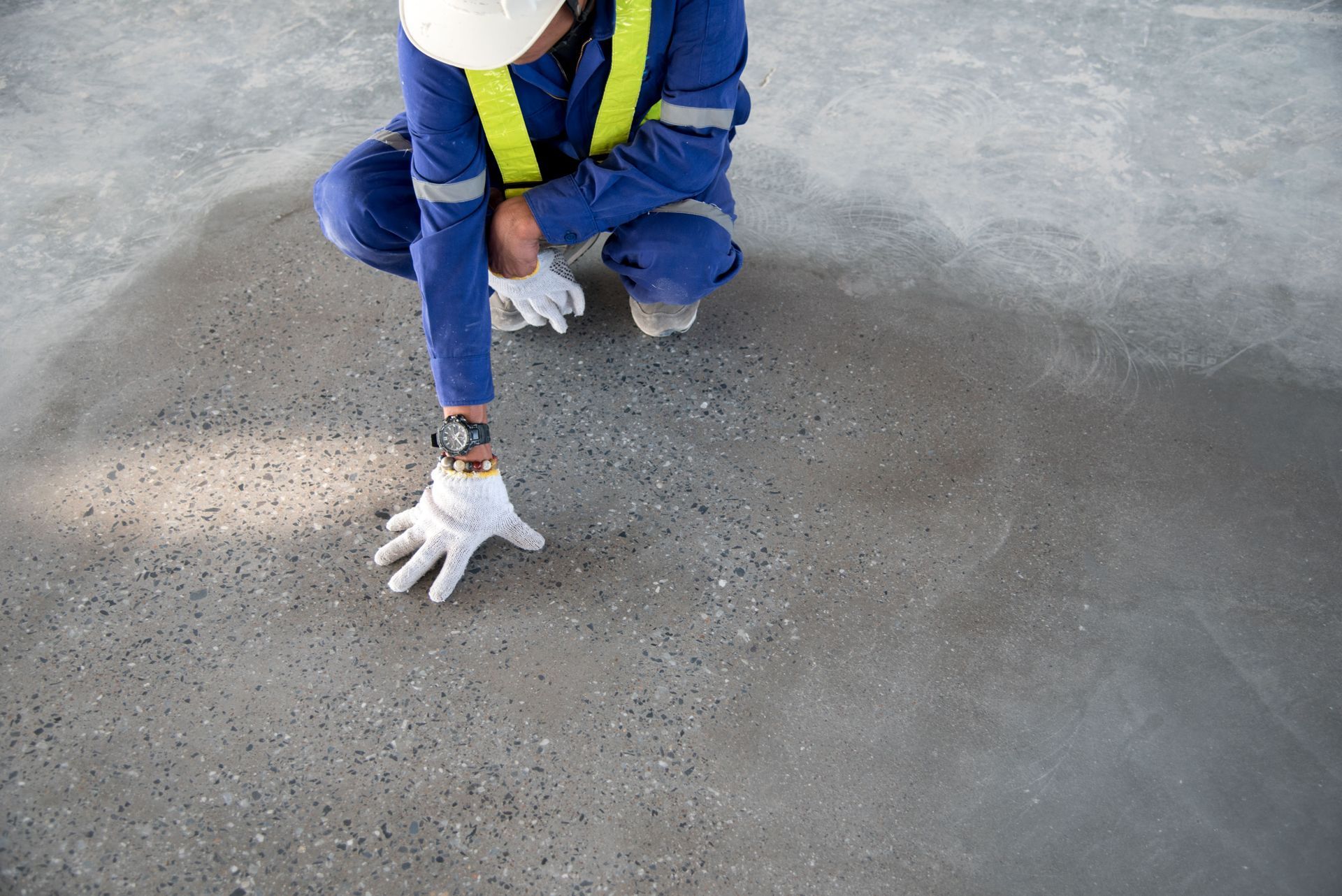
The most critical component of any successful hardscaping project is completely invisible once the job is finished: the foundation. A beautiful layer of premium pavers will quickly turn into an uneven, sinking tripping hazard if the ground beneath it has not been properly prepared. This is exactly why experienced patio contractors spend a significant portion of the project timeline meticulously preparing the site before a single stone is ever laid.
Professional preparation begins with precise excavation. Depending on the soil type and the specific climate conditions — such as the harsh freeze-thaw cycles we experience in Michigan — the ground must be dug out to a very specific depth. Once the soil is excavated, the subgrade must be heavily compacted using industrial-grade plate compactors. From there, professionals will layer and compact crushed gravel and bedding sand to create a rock-solid, completely level base. DIY enthusiasts often skip these grueling steps, opting to lay pavers directly on loosely packed sand or soil. Within few years, the natural settling of the earth will cause those amateur patios to buckle, sink, and separate. Professionals ensure the foundation is engineered to bear weight and resist natural soil movement.
Selecting the Highest Quality Hardscaping Materials
Another major advantage of hiring professionals is gaining access to superior building materials. When the average homeowner goes to a big-box home improvement store, they are limited to consumer-grade pavers, basic concrete slabs, and standard retaining wall blocks. While these materials might look fine on the shelf, they often lack the density and colorfastness required to endure decades of direct sunlight and harsh winter storms.
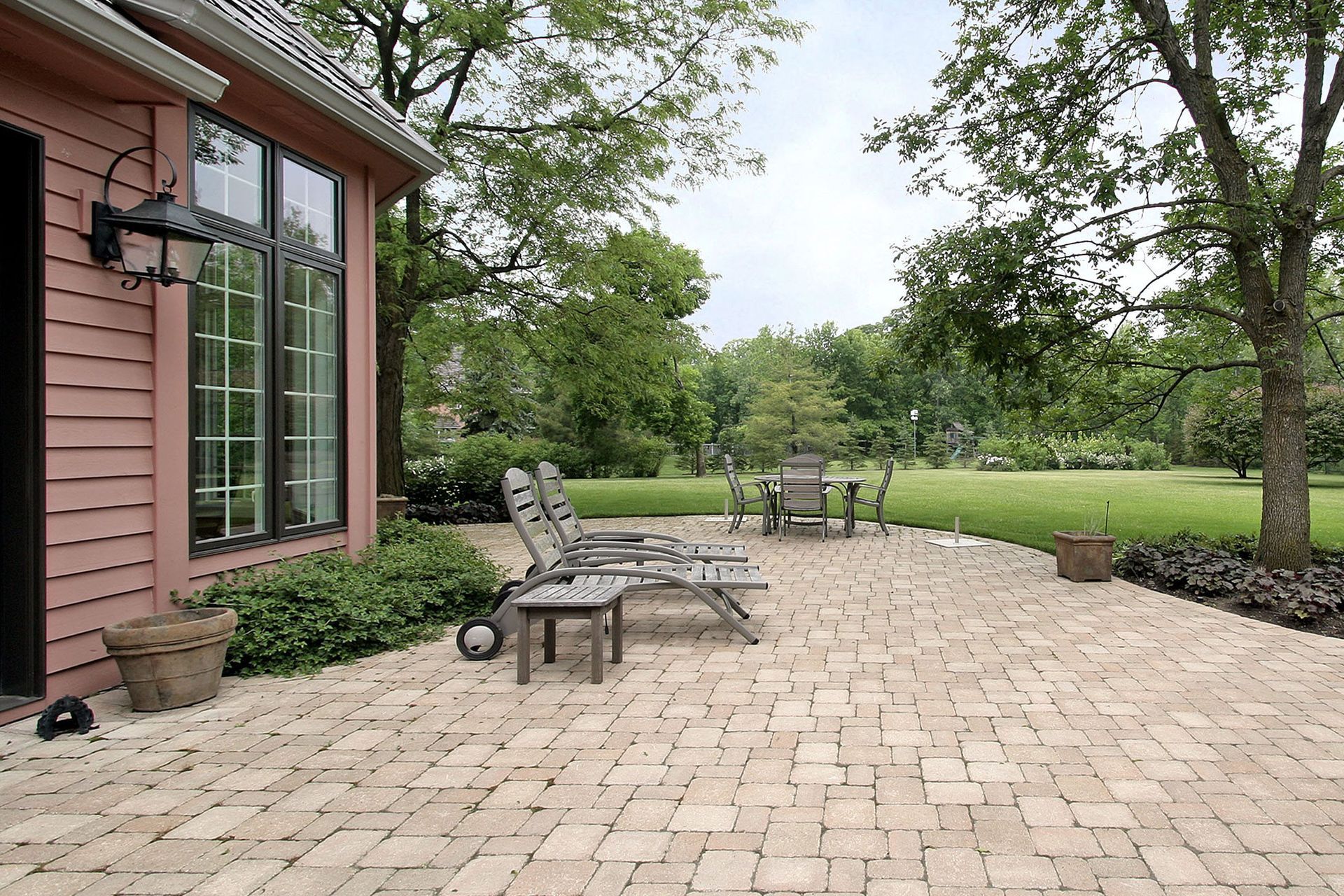
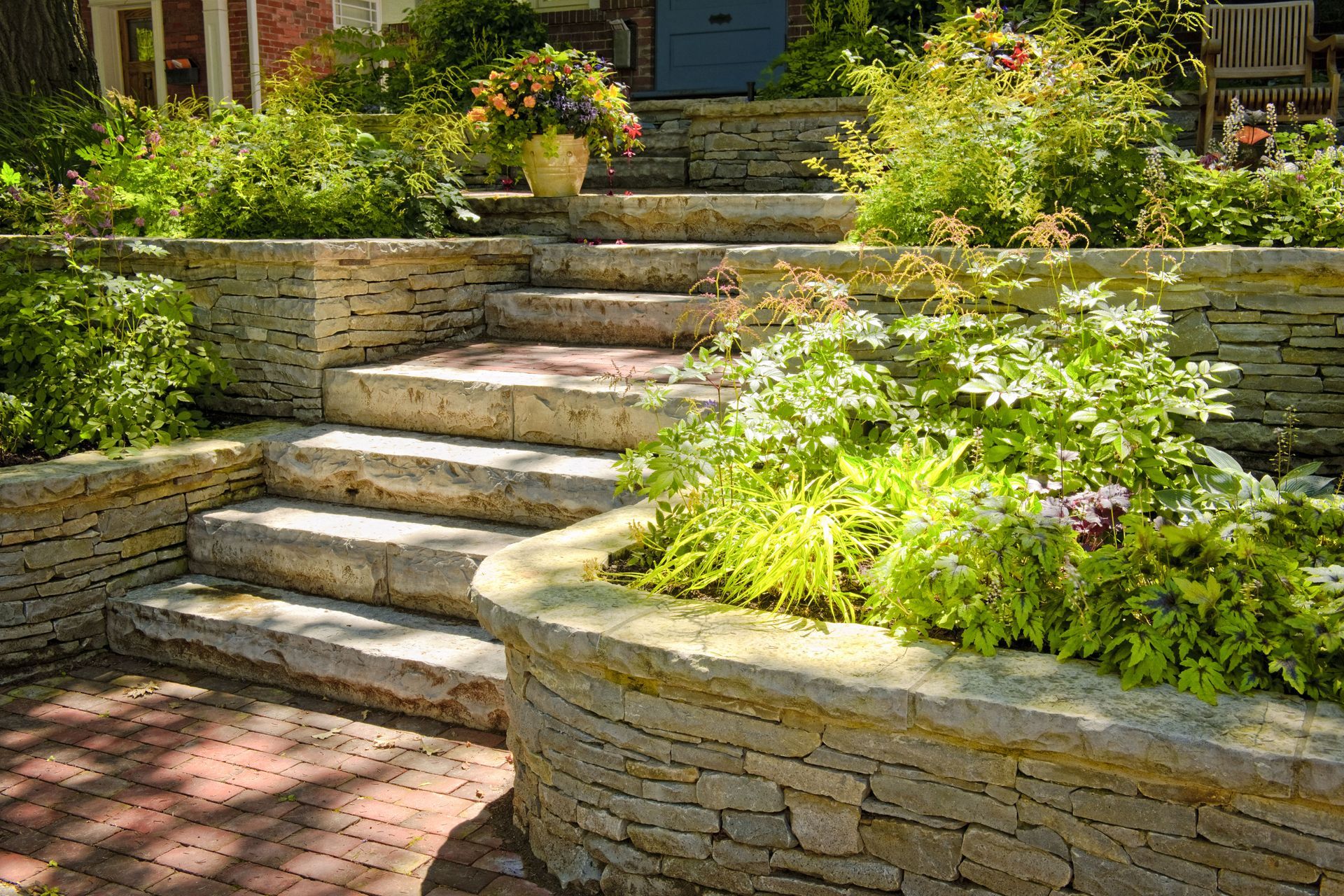
Conversely, top-tier patio contractors have established relationships with specialized, wholesale masonry suppliers. This means that professionals can source commercial-grade materials that are significantly denser, more vibrant, and vastly more durable than anything available to the general public. Whether you are looking for natural flagstone, premium interlocking concrete pavers, or elegant travertine, professionals know exactly which materials perform best in your specific climate. Furthermore, we can help you design intricate patterns, custom borders, and beautiful color contrasts that elevate your outdoor space from a basic concrete square to a luxurious architectural feature. We help our clients select materials that not only match their aesthetic vision but also guarantee maximum longevity.
Ensuring Proper Drainage and Water Management
Water is arguably the single most destructive force when it comes to hardscaping. If rainwater or melting snow is allowed to pool on your patio or seep unchecked into the foundation, it will inevitably cause devastating structural damage. In colder climates, trapped water expands as it freezes, leading to a phenomenon known as frost heave. This powerful upward pressure can easily crack concrete and push heavy stone pavers entirely out of place, ruining the surface of the patio.
When skilled patio contractors evaluate your property, water management is a primary concern. Professionals understand how to calculate and implement the perfect subtle slope to ensure that water naturally runs off the patio and away from your home’s foundation. In yards with complex topographies or heavy water retention issues, professionals can also design and install advanced drainage solutions, such as hidden French drains, permeable paver systems, or strategically placed channel drains. These essential water management techniques are heavily calculated and practically impossible for an amateur to execute flawlessly, yet they are vital for the long-term survival of your outdoor living space.
Utilizing Advanced Techniques for Lasting Durability
The difference between a patio that lasts and one that doesn't comes down to the installation techniques utilized during the construction phase. Hardscaping is an exacting science, and cutting corners inevitably leads to premature failure. This is precisely where professional patio contractors excel. We employ industry-best practices and advanced installation methods that lock every element of the patio into place permanently.
For instance, professionals use high-quality edge restraints, which are spiked deep into the compacted base around the entire perimeter of the patio. This invisible barrier prevents the outer pavers from slowly migrating outward over time. Additionally, professionals use premium polymeric sand to fill the joints between the pavers. Unlike regular joint sand that can wash away in heavy rain or become a breeding ground for weeds, polymeric sand contains special binding agents. When activated with water, this sand hardens into a firm, flexible mortar that repels water, prevents weed growth, and deters burrowing insects. According to Fixr, a well-maintained patio can last 25 to 50 years. Achieving this impressive maximum lifespan is only possible when every layer, edge, and joint is constructed with professional-grade precision.
Saving Time and Money Over the Lifespan of the Project
A common misconception is that completing a DIY patio installation is a great way to save money. However, when you factor in the long-term realities of amateur hardscaping, hiring dedicated patio contractors is actually a remarkably cost-effective decision. DIY projects routinely suffer from hidden costs, including expensive daily equipment rentals for excavators and compactors, material delivery fees, and the inevitable cost of purchasing extra materials to replace those damaged by amateur mistakes.
More importantly, you must consider the cost of future repairs. A poorly installed patio will typically require major interventions within the first few years. Fixing a sinking foundation or replacing cracked, frost-heaved pavers often requires tearing up the entire patio and starting from scratch. By hiring a professional team from the very beginning, the job is done right the first time. You avoid the physical exhaustion of manual labor, the loss of your valuable weekend free time, and the looming financial dread of future structural repairs. When you invest in professional installation, you are paying for peace of mind, comprehensive warranties, and a guarantee of enduring quality.
We are passionate about transforming ordinary backyards into extraordinary living spaces. As your premier local patio contractors, we pride ourselves on our meticulous attention to detail, our commitment to structural integrity, and our dedication to complete customer satisfaction. We do not just build patios; we build enduring extensions of your home that are engineered to weather the elements and stand the test of time. If you are ready to upgrade your property with a beautiful, expertly installed hardscape feature, contact J & S Hardscape today.